
Michael J. Fox: Initially, I kept my Parkinson’s diagnosis a secret
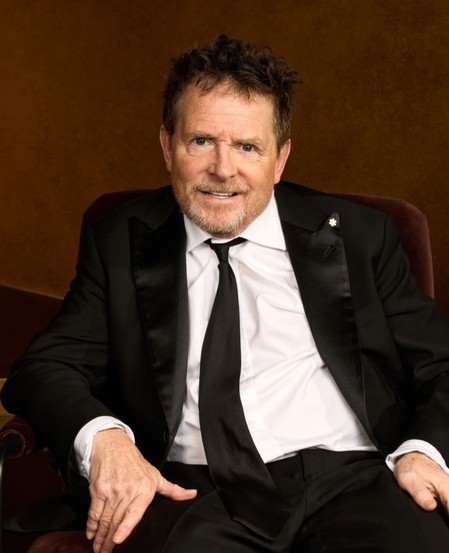
Mumbai, Sep 15 (IANS) Actor Michael J. Fox spoke about keeping his Parkinson’s diagnosis private at first, saying he feared it would affect his career and relationship with audiences, as he accepted the Bob Hope Humanitarian Award at the Emmy Awards.
In his acceptance speech, the star first spoke about Bob Hope as he said: “Thank you. Thank you, everyone involved with the Television Academy, for this amazing, humbling honor. First, a few words about Bob Hope.”
He shared that his parents were born “during the Great Depression, came of age during World War II. To them, Bob was more than an entertainer. He was a selfless champion of soldiers, and military families like mine, for decades.”
“Christmases, Thanksgivings, other holidays where he could have been celebrating with his family, he was showing up to the troops in Berlin, Saigon, the Middle East, with a turkey leg, and a golf club, and maybe if you’re lucky, Lollapalooza. He embodied everything I came to believe in years later. I learned from his example.”
Talking about his diagnosis, he said: “When it starts to get tough, you show up, you help, and if you can add a little joy while you’re doing it, that’s even better. I couldn’t have known how these lessons would resonate in my own life, until my late 30s, my late 20s, when my life handed me a role that I was looking for. Initially, I kept my Parkinson’s diagnosis a secret.”
The actor said that he worried that it would affect his work and my relationships with audiences.
“Would they laugh if they knew I was sick? So, and then I was stunned by the support I got, the support from all of you, who were so uplifting, and just made me feel like I could keep doing this. I hadn’t lost what I do, and they couldn’t take it away from me,” said the star.
As he got a standing ovation, Fox said: “And it’s because you stood up for me, and I appreciate it. Eventually, I understood that accepting Parkinson’s didn’t mean I had to surrender to it, it just meant doing what I could for everyone living with this disease. So, I started to advocate for patients’ needs and raise money, and to propel us towards a cure.”
“I found a brilliant, I found brilliant people to start, to lead, I’m sorry, I’m losing it. I found brilliant people to lead the effort for me, and vowed to fund the best science in the world. I’m proud of the progress we’ve made to benefit Parkinson’s patients and families, but we move closer to eradicating this disease forever.”
–IANS
dc/