
Ebola threat: BMC sets up 10-bed isolation ward in Kasturba hospital
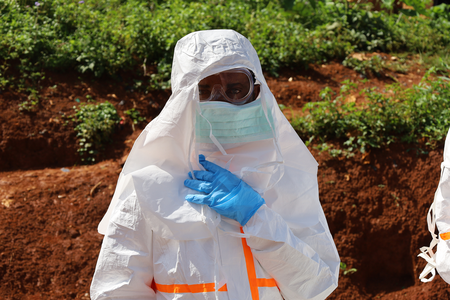
Mumbai, May 29 (IANS) The Brihanmumbai Municipal Corporation (BMC) has proactively put Mumbai’s healthcare system on high alert following the World Health Organisation’s (WHO) declaration of an Ebola outbreak in parts of Africa (specifically the Democratic Republic of Congo and Uganda) as a public health emergency.
While health officials emphasise that there is currently no Ebola outbreak or community transmission in India, the BMC has initiated strict precautionary and surveillance measures to prevent any potential entry or spread of the virus.
The BMC has designated Kasturba Hospital as the primary isolation facility for any suspected cases of viral haemorrhagic fever. Kasturba serves as Mumbai’s specialised infectious diseases hub and has been equipped to handle strict isolation protocols.
A special 10‑bed isolation ward has been set up at the city’s primary infectious diseases centre, Kasturba Hospital.
Following Kasturba Hospital, a special 8‑bed isolation ward has also been established at Mumbai’s Cama Hospital.
Mumbai’s Deputy Mayor, Sanjay Ghadi, stated that the BMC is fully prepared and there is no need for the public to panic. He said arrangements for beds have been made at Mumbai’s Kasturba Hospital, and similar arrangements will be made at other hospitals across the city in the near future.
The BMC administration has issued directives across major municipal medical colleges, including KEM, Sion, Nair and Cooper hospitals, to prepare their teams and establish readiness protocols.
The Maharashtra Association of Resident Doctors (MARD) has issued a formal advisory outlining standard infection prevention and control practices for frontline medical staff.
Strict emphasis has been placed on rigorous hand hygiene and universal precautions during patient interactions. MARD has mandated precise adherence to clinical waste disposal laws to eliminate accidental contamination vectors.
The advisory clarifies that Ebola is not airborne in ordinary community settings (unlike COVID‑19 or influenza) and spreads strictly through direct contact with infected blood, bodily fluids or heavily contaminated medical equipment/surfaces.
Frontline workers are instructed to be situationally ready without creating unnecessary anxiety.
–IANS
sj/dan

