

Karnataka drought: ‘If funds are scarce, let MLAs, ministers forgo salaries,’ says Kurubur
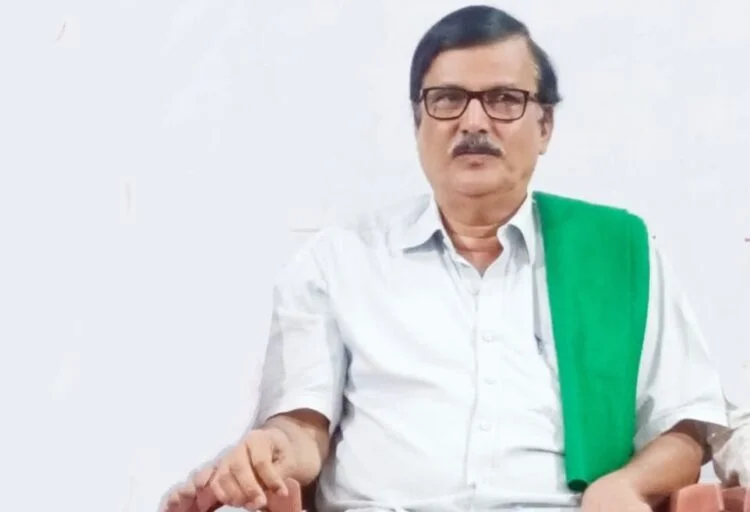
Bengaluru: State Sugarcane Growers’ Association president and Federation of State Farmers’ Organizations president Kurubur Shanthakumar has urged the Karnataka government to immediately release ₹25,000 per acre as crop-loss compensation to farmers in drought-hit areas.
Shanthakumar also sought a complete waiver of crop loans in drought-affected taluks, arguing that farmers facing crop losses require immediate financial relief.
‘Waive farmers’ loans if industries get relief’
Shanthakumar said governments should extend similar support to farmers when they face losses, pointing out that loan waivers are considered when industries encounter financial difficulties.
He also made an unusual suggestion that if the state government does not have sufficient funds to provide crop-loss compensation, MLAs and ministers should consider foregoing their salaries to support drought-hit farmers.
Fodder banks, NREGA works sought
The farmers’ leader demanded that the government establish fodder banks and ensure adequate supplies to prevent shortages for livestock in drought-affected areas.
He also urged the immediate launch of NREGA works to provide employment and income to rural households and prevent farmers from being forced to migrate from villages because of drought.
Shanthakumar sought adequate electricity supply for agricultural pump sets, saying uninterrupted power was necessary to protect crops that are under stress because of inadequate rainfall.
According to the demands raised by him, 124 taluks have already been declared drought-hit, while crop-loss assessments are underway in additional taluks.
He urged the government to take immediate measures to address farmers’ difficulties and provide effective drought relief.
Shanthakumar also said the actions of both the government and opposition were increasingly visible to the public through social media, and called for a sincere approach from political parties and the administration in dealing with the farmers’ situation.