MP govt launches UCC website to seek public suggestions by June 15
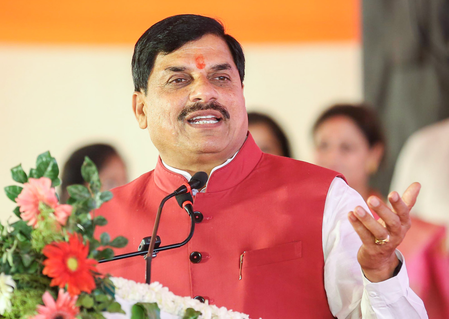
Bhopal, May 22 (IANS) Preparations for implementing the Uniform Civil Code in Madhya Pradesh have gained fresh momentum with Chief Minister Dr Mohan Yadav launching the official UCC MP website, ucc.mp.gov.in.
This significant step aims to gather public opinion and suggestions before finalising the landmark legislation, ensuring broader participation from all sections of society in the consultative process.
While launching the portal on Friday, Chief Minister Mohan Yadav said that the platform would provide citizens an opportunity to directly share their views and recommendations with the government.
He expressed confidence that this transparent and inclusive approach would help formulate a balanced and widely acceptable Uniform Civil Code tailored to the state’s needs.
The government has set June 15, 2026, as the deadline for submitting suggestions, giving people sufficient time to contribute their inputs.
The Uniform Civil Code seeks to replace religion-based personal laws with a common set of rules governing marriage, divorce, inheritance, adoption, and maintenance for all citizens, irrespective of their faith.
Madhya Pradesh is following in the footsteps of Uttarakhand and Gujarat, which have already taken concrete steps toward implementing the UCC.
The move aligns with the long-standing commitment of the Bharatiya Janata Party to introduce a Uniform Civil Code across the country as envisaged in Article 44 of the Indian Constitution.
Retired Supreme Court Justice Ranjana Prakash Desai, who chairs the High-Level Committee on UCC, participated in the event virtually.
The committee, formed in late April 2026, has been tasked with drafting a comprehensive framework for the code. Other members of the expert panel were also present during the website launch. Justice Desai brings valuable experience, having previously led similar efforts in other states.
The Madhya Pradesh government has made it clear that all suggestions received through the portal will be seriously examined and considered during the subsequent stages of drafting the bill.
This public consultation process is being seen as a crucial step toward building consensus on what has historically been a sensitive and contentious issue.
–IANS
sktr-pd/pgh