WORLD

TOP STORIESWORLD

G20 trade ministers condemns weaponisation of food
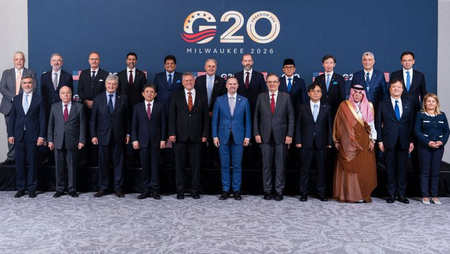
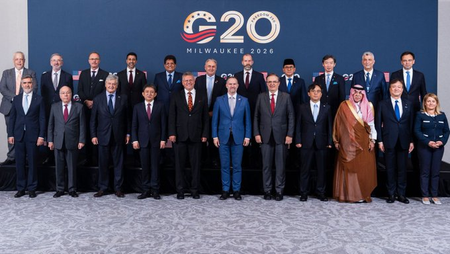
Milwaukee, Oct 3 (IANS) G20 trade ministers have unanimously condemned the weaponisation of food for political or economic coercion, securing a rare consensus at a meeting that otherwise exposed differences among the world’s largest economies over forced labour, industrial overcapacity and the future of global trade rules.

The agreement was reached at the two-day G20 Trade Ministerial in Milwaukee under the US presidency. Ministers defined weaponisation as targeted government actions to slow, stop, block or direct trade in food, agricultural products or inputs to extract unrelated geopolitical concessions.

“After constructive discussions, the G20 Trade Ministers agreed to condemn food weaponization as it poses a significant humanitarian and economic threat,” US Trade Representative Jamieson Greer said.

“For decades, trade in food, agricultural products, and agricultural inputs has been weaponized to exert coercive pressure for economic or political reasons,” he said. “This threatens livelihoods in targeted countries, distorts competition, and erodes trust in the global trading system.”

The consensus statement said coercive actions could disrupt agricultural and food supply chains, threaten food security, particularly for vulnerable populations, and damage producers’ livelihoods.

Significantly, ministers drew a distinction between coercive trade actions and legitimate domestic measures. The agreement said its concerns did not apply to measures adopted transparently in accordance with relevant international rules and norms and designed to advance legitimate domestic policy objectives, including food security.

The distinction was one of the central issues in the Milwaukee discussions.

While ministers found common ground on food, they failed to reach consensus on eliminating forced labour from global supply chains.

The United States, Mexico and Argentina instead issued a separate statement calling for stronger action against goods produced with forced labour.

“I applaud my colleagues from Mexico and Argentina for siding with moral and economic reality and recognizing the continued existence of forced labor as an abhorrent human rights issue that distorts global supply chains,” Greer said.

Their statement cited an International Labour Organization estimate that 28 million people were in forced labour globally in 2021, an increase of about 10 per cent over the previous five years. It called on countries to strengthen cooperation and measures against imports produced wholly or partly through forced labour.

The three countries also encouraged World Trade Organization members to use WTO bodies to exchange information about imports and supply chains at risk of involving forced labour.

The chair’s statement said the proposal was supported by all but “a handful” of members, with some rejecting a pathway towards collective action.

Ministers also opened a potentially consequential debate over reforming the WTO’s Most-Favoured Nation principle. Many members described MFN as a cornerstone of the multilateral trading system, while an increasing number indicated there was merit in examining how the principle operates and could be improved.

Among ideas discussed were targeted changes to MFN, broader exceptions, new legal interpretations of existing exceptions and “closed” plurilateral agreements under which benefits would accrue only to participating countries undertaking stronger commitments.

The Milwaukee ministerial was held on Sept 30 and Oct 1 as part of the US G20 presidency. Its four principal trade discussions covered food weaponisation, forced labour, structural excess capacity and reform of the MFN principle.

The chair’s statement said the discussions marked the beginning of further deliberations over MFN reform. The United States will hand the G20 presidency to the United Kingdom in 2027.

–IANS

lkj/rs
Read More
TOP STORIESWORLD

US Congressman bill targets American doctor shortage

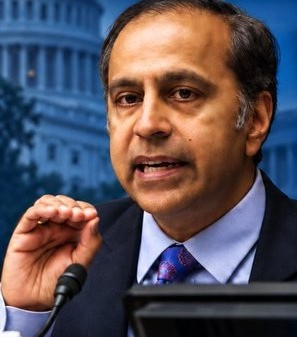
Washington, Oct 3 (IANS) Indian-American Congressman Raja Krishnamoorthi has introduced legislation aimed at helping qualified immigrant doctors, nurses and other health professionals enter the US healthcare workforce as the country confronts growing shortages of medical providers.

Krishnamoorthi, along with Congressman Adam Smith, introduced two bills, the Immigrants in Nursing and Allied Health Act and the Internationally Trained Physicians Assistance Act.

The measures seek to remove licensing, training and financial barriers that prevent immigrants already living in the United States from using their professional qualifications in healthcare.

“Skilled doctors, nurses, and other health professionals should have the opportunity to put their training and expertise to work caring for patients,” Krishnamoorthi said.

“Our legislation would help qualified immigrants overcome unnecessary barriers to entering the health care workforce while helping communities address critical provider shortages. When we make better use of the talent already in our communities, we strengthen our health care system and expand access to care.”

A 2022 Migration Policy Institute study cited by the lawmakers found that 2.1 million college-educated immigrants are unemployed or underemployed.

At the same time, the US healthcare system faces mounting workforce shortages. The Association of American Medical Colleges has projected a shortage of up to 48,000 primary care physicians by 2034.

An estimated 200,000 nurses will also need to be hired each year to meet growing demand and replace retiring nurses, according to information released with the legislation.

The Immigrants in Nursing and Allied Health Act would create grants for programmes providing training, licensing, certification and case management to immigrants seeking to enter healthcare professions.

It would also open eligibility for the National Health Service Corps to non-US-citizen immigrants.

The legislation covers nursing as well as allied health professions, including dental hygienists, dietitians, medical technologists, occupational therapists, physical therapists, respiratory therapists and speech language pathologists.

The Internationally Trained Physicians Assistance Act focuses on immigrants who already hold medical degrees from outside the United States.

It would incentivise states to establish temporary licensing programmes under which internationally educated immigrant doctors could practise under supervision while completing training and certification requirements for a US medical licence.

The measure would also establish guaranteed medical residency slots for internationally trained physicians to work in predominantly medically underserved communities.

Grants would be made available to help cover expenses including examination preparation, testing, certification, English-language classes and case management for physicians needing financial assistance.

“We have thousands of skilled nurses, doctors, and health professionals in this country whose training and expertise are going to waste because their professional expertise is not recognised and they face numerous barriers to achieve the needed licensure,” Smith said.

“At the same time, our health care system is stretched thin and patients are waiting longer for care,” he said. “This bill package helps immigrants put their skills to work and serve their communities and will rebuild the health care system.”

The legislation has been endorsed by organisations including the International Medical Graduates Academy, Nashi Immigrants Health Board, Northwest Immigrant Rights Project, Sea Mar Community Health Center, Seattle Indian Health Board, Spring Institute for Intercultural Learning, Talent Beyond Boundaries, Upwardly Global and World Education Services.

–IANS

lkj/rs

Read More
TOP STORIESWORLD

India, Canada to resume trade talks on Oct 5

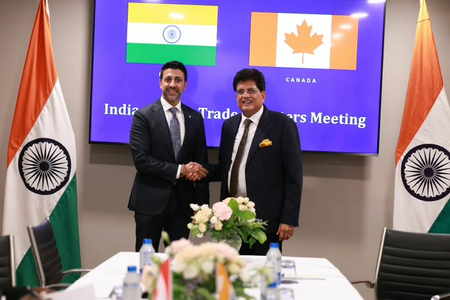
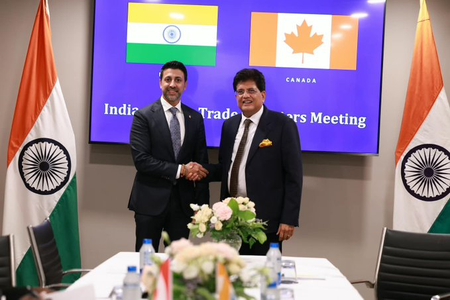
Milwaukee, Oct 3 (IANS) India and Canada will begin the next round of trade negotiations on October 5 as the two countries push to conclude a deal before the end of the year, Canadian International Trade Minister Maninder Sidhu said a day after meeting Commerce and Industry Minister Piyush Goyal on the sidelines of the G20 Trade Ministers’ Meeting here.

The meeting followed the fourth round of negotiations in Mumbai and came as Ottawa prepares to send a large business delegation to India this month.

“After wrapping up the fourth round of negotiations in Mumbai, I met again with Minister Piyush Goyal at the G20 ahead of the next round beginning October 5 to advance negotiations to conclude towards a deal before the end of this year,” Sidhu said in a social media post.

The disclosure provides a specific timetable for the next stage of negotiations and underscores efforts by both governments to accelerate economic engagement.

India and Canada are seeking to expand bilateral trade significantly, with a shared target of reaching $70 billion by 2030.

“With more than $30 billion in two-way trade today and a shared goal of reaching $70 billion by 2030, there is significant room to grow the trade and investment relationship between our two countries,” Sidhu said.

The Canadian minister had earlier told reporters in Milwaukee that negotiations were moving forward and that both sides were focused on reaching an agreement.

Sidhu said the discussions were not simply about concluding an agreement, but about securing one that worked for businesses and workers in both countries.

The latest meeting between Goyal and Sidhu came during an intensive period of trade diplomacy surrounding the G20 ministerial hosted by the United States.

Goyal held a series of bilateral meetings on the sidelines of the gathering as India sought to deepen commercial relationships with major partners while addressing broader questions confronting the international trading system.

Canada is also planning a significant commercial push into India.

Sidhu said he would lead a Team Canada Trade Mission to India this month with nearly 300 Canadian participants.

“That’s why this month I am leading a Team Canada Trade Mission to India, bringing close to 300 Canadian delegates from businesses across key sectors to make connections, find new customers and pursue opportunities in one of the world’s fastest-growing markets,” Sidhu said.

The size of the delegation points to growing Canadian business interest in India alongside the government-to-government trade negotiations.

Sidhu identified critical minerals, energy, agriculture and technology among the sectors in which Canadian companies are looking for opportunities.

“From critical minerals and energy to agriculture, technology and other sectors where Canada is a global leader, we are helping Canadian companies build partnerships and grow in India,” he said.

The trade mission will therefore run alongside a renewed negotiating process as Ottawa seeks greater access to the Indian market and both countries try to increase investment flows.

India and Canada have been rebuilding their economic engagement after a period of strained diplomatic relations disrupted high-level contacts and trade negotiations.

The renewed talks have put commerce back near the centre of the bilateral relationship, with the two governments setting a target of $70 billion in two-way trade by 2030 and pursuing an agreement intended to provide businesses in both countries greater opportunities in each other’s markets.

–IANS

lkj/rs

Read More
TOP STORIESWORLD

Piyush Goyal calls diaspora ‘living bridge’ with US

Washington, Oct 3 (IANS) Commerce and Industry Minister Piyush Goyal has described Indian-Americans as a “living bridge” between India and the United States, urging them to remain committed to their adopted country while retaining a place in their hearts for their motherland.

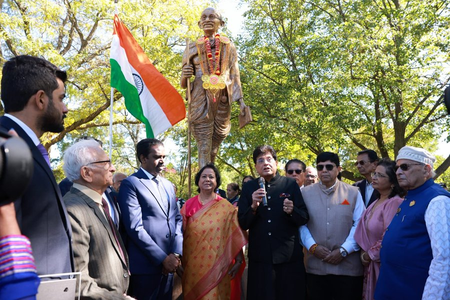
Addressing members of the Indian community in the Chicago area after paying tribute to Mahatma Gandhi, Goyal said their contribution to American society also helped bring the two countries closer.

“Each one of you are the living bridge between the United States and India. Each one of you is an ambassador of India to the United States,” Goyal said.

He thanked Indian-Americans for their contributions to the United States and urged them to remain loyal to the country that had given them opportunities, prosperity and a future.

“Be loyal to it, be honest to it, work hard for your nation,” he said. “But always keep in your mind, in your heart, a little place for your mother and for all the people.”

Goyal’s remarks came during a day in Chicago in which he visited sites associated with two of India’s most recognised figures — Mahatma Gandhi and Swami Vivekananda.

On Gandhi Jayanti, the minister paid floral tributes at the Mahatma Gandhi Memorial Sculpture in Skokie, Illinois.

“Mahatma Gandhi ji’s timeless ideals of non-violence, simplicity and truth, deeply rooted in India’s civilisational ethos, continue to guide and inspire humanity across generations,” Goyal said in a post on X.

Speaking to the community, Goyal recalled Gandhi’s emphasis on non-violence, equality and concern for marginalised sections of society. He also invoked the influence of Gandhi’s ideas in the United States.

“The statue today in Chicago in a way also gives us a deep message that while India may be thousands of miles away from here, the ideas that left behind are living in all of you in Chicago,” he said.

Goyal also offered a strong assurance of India’s support to Indians living overseas, saying New Delhi remained attentive when its citizens faced crises abroad.

“We back home are watching your back. We care for you and you will always have us as a support,” he said, citing crises in Yemen, Ukraine and elsewhere. “Your nation, your motherland will always stand by you, will be there for you, for your families, for your children.”

Earlier, Goyal visited Fullerton Hall at the Art Institute of Chicago, associated with Swami Vivekananda’s historic appearance at the World’s Parliament of Religions in 1893.

“At the place that once echoed with thunderous applause for Swami Vivekananda ji,” Goyal wrote on X, saying Vivekananda had shared India’s ethos of “Vasudhaiva Kutumbakam” with the world through his address on September 11, 1893.

“May Swami Vivekanand ji’s timeless message of universal brotherhood and spiritual wisdom continue to guide us,” he said.

Goyal later paid floral tributes to Vivekananda at the Consulate General of India in Chicago.

In his remarks, the minister said Vivekananda’s ideas continued to inspire Indians and the diaspora. He described the monk as a young Indian who arrived in the United States proud of his heritage, traditions and culture, and used the Chicago platform to speak about Hinduism and the unity of different faiths.

–IANS

lkj/rs

Read More
TOP STORIESWORLD

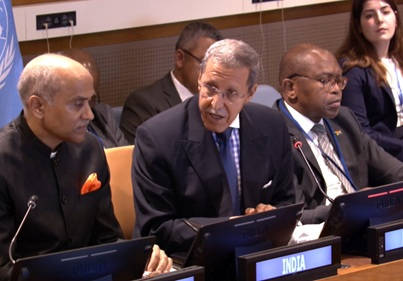
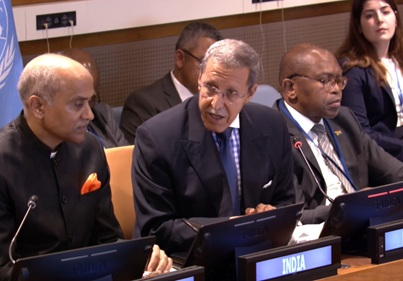
Diplomats recall Gandhi’s message at UN, highlight its global relevance

United Nations, Oct 2 (IANS) Diplomats from across the world invoked the message of Mahatma Gandhi on his birth anniversary to address contemporary global challenges, recalling how his ideals had resonated in their respective regions.

Morocco’s Permanent Representative Omar Hilale said at a commemoration of the International Day of Non-Violence here: “The international community, by celebrating the International Day of Non-Violence on his birthday, has chosen to make his legacy a common inheritance for all peoples.”

“Non-violence, in his understanding, is an active force. It demands discipline, courage and an unshakable faith in the humanity of the other,” he said.

Hilale added that in Morocco, where “faiths and cultures meet and live together”, King Mohammed VI has followed a path of “moderation, tolerance and peaceful dialogue”.

India’s Permanent Representative P. Harish cited a contemporary example of the practical application of Gandhian principles, referring to wounded pilot Smit Machchhar saving the lives of passengers on a Flydubai Airlines flight through ahimsa.

He recalled that Prime Minister Narendra Modi had said the pilot “represented a true embodiment of the principle of ahimsa or non-violence”.

Harish said PM Modi had noted that although the pilot was under attack, he “not only endured but showed bravery and courage in ensuring that the flight reached a safe destination, and all the passengers under his charge were safe and sound”.

Despite suffering stab wounds, Machchhar opened the cockpit door to allow passengers to overpower the co-pilot who had attacked him in an apparent terror hijacking attempt.

The General Assembly declared Gandhi Jayanti on Oct 2 as the International Day of Non-Violence through a resolution sponsored by 141 countries in 2007.

Before the commemoration event, Harish placed flowers at the statue of Gandhi in the UN complex.

Uruguay’s Permanent Representative Laura Dupuy Lasserre reflected on how Gandhi’s message had been applied in South America.

She said it remained relevant “in Argentina and Uruguay at times of dictatorship, with the humanitarian plight of grandmothers looking for their forcibly disappeared children and grandchildren”.

In countries in Latin America scarred by brutal dictatorships, mothers and grandmothers have peacefully demonstrated to learn the fate of their loved ones who were taken away by military regimes and never heard from again, while also advocating for human rights.

“Gandhi demonstrated that non-violence is not a sign of weakness or passivity, but an expression of courage,” said Lasserre, who is also the chair of the G77, the group of developing countries, at the UN.

South Africa’s Permanent Representative Mxolisi Sizo Nkosi said that for his country, “the principles of non-violence and peaceful coexistence resonate deeply with our own historical journey from apartheid to constitutional democracy”.

He said Mahatma Gandhi’s philosophy of Satyagraha, insistence on truth, and non-violent resistance, forged during his 21 years in South Africa, laid the foundation for mass defiance and later shaped the broader South African liberation struggle against apartheid.

The African National Congress (ANC), he said, absorbed Gandhian non-violent principles early in its history.

“Early leaders looked to Gandhi’s successful mobilisation of the Indian community through strikes, mass marches and voluntary jail attendance as a blueprint for fighting racial legislation,” he added.

Nkosi said Chief Albert Luthuli, the first ANC president to receive the Nobel Peace Prize, “was a deeply committed adherent of Satyagraha”.

For Russia’s Deputy Permanent Representative Maria Zabolotskaya, Gandhi’s role as an anti-colonial leader carried special significance.

“He was a leader of anti-colonialism, and this is important because our country always supported the anti-colonial struggle,” she said, adding that such struggles were conducted through various means and approaches.

She also recalled Gandhi’s connection with Leo Tolstoy, the Russian writer and philosopher who advocated non-violence.

Gandhi corresponded with Tolstoy, she noted.

When Indian revolutionary leader Taraknath Das wrote to Tolstoy seeking advice, the Russian philosopher replied: “Do not resist evil, but also do not yourselves participate in evil,” she recalled.

Zabolotskaya said Gandhi later sought permission to reprint the letter in his publication in South Africa and regarded Tolstoy as a teacher and an inspiration on his path.

–IANS

al/ksk/dan

Read More
TOP STORIESWORLD

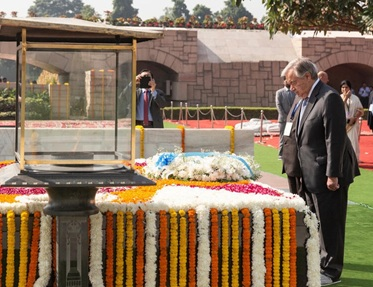
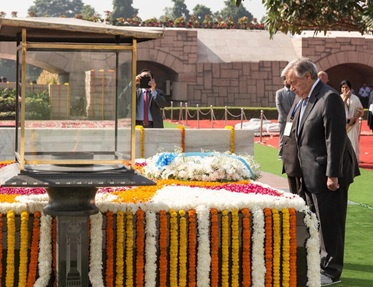
‘Summon values of Mahatma Gandhi in highly-charged times’: UN chief

United Nations, Oct 2 (IANS) United Nations Secretary-General Antonio Guterres called on Friday to summon the values of Mahatma Gandhi in a time of global conflict and divisions.

“In these highly charged times, let’s summon the courage, empathy, dignity and shared humanity that Gandhi exemplified throughout his life”, he said in a message for the UN’s International Day of Non-Violence, which commemorates Gandhi Jayanti.

Guterres took a sweeping overview of the challenges that the UN and the world are facing in calling for Gandhi’s prescriptions of dialogue and non-violence.

“People are suffering,” he said. “Poverty and inequality are driving a wedge between the haves and have-nots. And the very foundations of peace and development — the UN Charter, human rights, international law and diplomacy and dialogue — are being ignored and flouted with impunity”.

“In this time of rising division, tension and conflict, Gandhi’s lessons speak to us with renewed urgency”, he said.

Deploying the weapons of peace that Gandhi developed, Guterres said, will be the effective way to counter the challenges to humanity.

“He showed that the best way to counter injustice is not to mirror the cruelty and violence of systemic discrimination and oppression — but to employ instead the tools of dialogue and non-violence to build bridges of understanding, deliver dignity and create lasting change”, Guterres said.

“Let’s work to heal divisions through genuine dialogue and diplomacy, end suffering, and build a peaceful world through non-violence”, he said.

“Mahatma Gandhi set an inspiring example of how to create deep, lasting change while holding fast to the principles of peace. Amid rising tension and conflict, his lessons speak to us with renewed urgency. Let’s heal divisions through genuine dialogue and diplomacy, end suffering and build a peaceful world through non-violence,” the UN Chief stated on X.

In 2007, the General Assembly declared October 2 the International Day of Non-Violence through a resolution sponsored by 141 countries.

–IANS

al/ksk/as

Read More
TOP STORIESWORLD

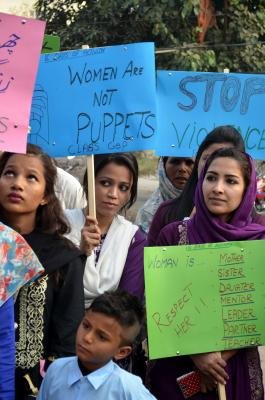
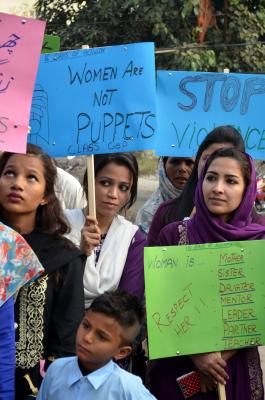
Pakistan’s Punjab province records over 1.95 lakh cases of violence against women and girls in five years

Islamabad, Oct 2 (IANS) As violence against women continues unabated across Pakistan, the Punjab province alone recorded 195,787 cases involving women and girls between 2021 and 2025, local media reported citing a human rights organisation.

The figure represented nearly 82 per cent of all gender-based violence cases reported across the country during the five-year period, according to the National Gender-Based Violence Crime Report 2021-25 by Peace and Justice Network Pakistan.

As per the findings, Punjab recorded 14,824 cases of domestic violence, including 3,746 cases in which women were killed. The province also reported 830 honour killings and 442 cases of burning, comprising 143 acid attacks and 299 stove-burning incidents, Pakistan Observer reported.

Sexual violence emerged as another major category, with 20,560 cases reported during the period. These comprised 16,827 rape cases, 2,183 gang-rape cases, 189 instances of custodial sexual violence and 1,361 incest cases.

According to the report, Punjab recorded 90,965 cases of kidnapping and abduction from 2021 to 2025, the highest among the reported categories. It also documented 68,165 cases involving other forms of gender-based violence that were not individually classified.

The province recorded 23,032 cases in 2021, followed by 28,080 in 2022 and 35,238 in 2023. The figure rose significantly to 52,824 in 2024 and further to 56,613 in 2025.

The report also warned that the police data represents only formally reported incidents, leaving the broader extent of violence against women and girls potentially underreported.

Last month, a report stated that an effective multi-sectoral approach is needed to combat Gender-Based Violence (GBV) in Pakistan, as the issue is deep-rooted and multi-faceted in society, stemming from individual attitudes, family dynamics and community norms.

Prevention measures and conviction rates in cases related to gender-based violence in Pakistan remain low despite the passage of anti-rape legislation, domestic violence laws and several amendments addressing crimes against women, according to a report in The Friday Times.

Lack of political will, stereotypes, societal taboos, and judicial processes mired in caveats and complexities together prevent effective action against gender-based violence in Pakistan. Authorities might be making some efforts to curb gender-based violence in Pakistan; however, it is clearly not enough or is not being conducted in a way that produces any discernible results, the report detailed.

“If we are serious about nipping GBV in the bud, the whole ‘ecosystem’ nurturing violence against women must be disabled, and we need to decide where to start. GBV is a deep-rooted, multi-faceted challenge in our society, stemming from individual attitudes, family dynamics, community norms, and so much more, and hence requires a commitment to multi-sectoral approaches before we can even cause a dent in this scourge,” it mentioned.

–IANS

scor/as

Read More
TOP STORIESWORLD

Bangladesh measles outbreak claims four more lives, death toll climbs to 1,114

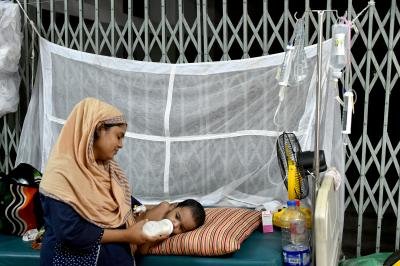
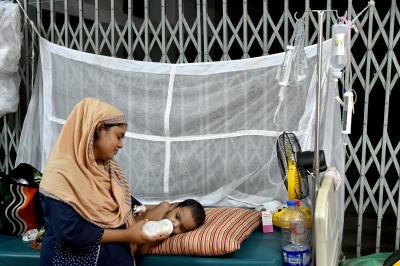
Dhaka, Oct 2 (IANS) At least four children died from the measles outbreak in Bangladesh on Friday, raising the total number of confirmed and suspected deaths to 1,114 this year, amid an escalating health crisis in the country, local media reported.

According to the Directorate General of Health Services (DGHS), the deaths were reported in the 24 hours leading up to Friday morning.

Among the four fatalities from the disease, one was confirmed as measles death and another three were identified as suspected, Bangladeshi media outlet UNB reported.

Reports suggest that while the number of confirmed deaths remained at 102, the total number of suspected deaths climbed to 1,012.

The DGHS recorded a total of 1,221 new suspected measles cases during the 24-hour period, bringing the overall tally of suspected cases to 194,084.

Additionally, 21 new confirmed cases were reported, increasing the total to 21,623 during the same period.

Last week, public health experts linked the resurgence to gaps in previous vaccination coverage and shortcomings in hospital and patient management, including delays in detecting infected children and isolating them at home.

Speaking to Bangladesh’s leading newspaper ‘The Daily Star’, public health expert Mushtuq Husain said children generally need three to four weeks after vaccination to develop sufficient immunity. “Therefore, the current wave of infections, hospitalisations and deaths may continue for at least another month,” he added.

Recently, a leading international advocacy group described the 2026 measles outbreak as one of Bangladesh’s worst public health crisis in recent history, highlighting the concern that the disease is preventable through vaccination.

In its report titled ‘Preventable Tragedy: Bangladesh’s 2026 Measles Outbreak’, Canada-based Global Centre for Democratic Governance (GCDG) said that although the measles outbreak appeared sudden to the public, it was not an unexpected event from an “epidemiological perspective”.

The report noted that the crisis resulted from a combination of disruptions to vaccine supply and health programs in 2024-2025 during the former interim government led by Muhammad Yunus, along with missed routine vaccinations, cancellations of scheduled supplementary immunisation programmes, administrative delays in vaccine procurement, and a failure to promptly identify at-risk populations.

–IANS

scor/as

Read More
TOP STORIESWORLD

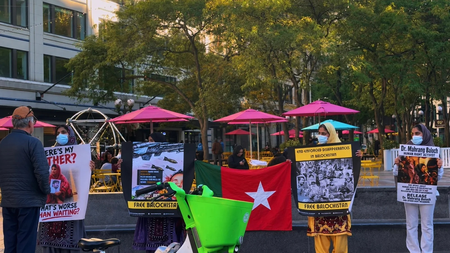
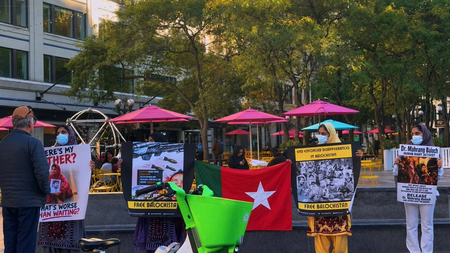
Baloch group holds protest in Seattle, raises alarm over growing human rights abuses in Pakistan

Washington, Oct 2 (IANS) The Baloch National Movement (BNM) held a protest in the United States’ Seattle, raising awareness among the people about grave human rights abuses in Balochistan by Pakistani forces, including military aggressions against Baloch civilians and bombardments across the province.

According to the BNM, the speakers appealed to the American public to raise their voices against the ongoing human rights violations in Balochistan, stating that assistance provided to Pakistan through US taxpayers’ funds is “indirectly being used to support the Pakistani military”.

Highlighting the continued human rights violations, violence, and military aggressions in Balochistan, the speakers further said that Baloch civilians are losing their lives as a result of operations and bombardments carried out by the Pakistani forces.

The speakers urged the US government “to review its relations with Pakistan and reconsider the assistance it provides, calling for any such support to be conditioned on respect for human rights.”

They stressed that the international community, particularly the US, should fulfil its responsibility towards ending human rights violations in Balochistan and protecting the fundamental rights of the Baloch nation.

On Thursday, several BNM members expressed serious concerns over the worsening human rights situation in Balochistan during the 63rd session of the UN Human Rights Council in Geneva, citing Pakistan Army airstrikes in Surab, Zehri and Chiltan and the hardships faced by Baloch women and girls across the province.

BNM member Mahrah Baloch drew the Council’s attention to the situation of Baloch women and girls, stating that “serious violations of their fundamental rights by Pakistani authorities continue, including enforced disappearances, arbitrary detention, torture, extrajudicial killings, and restrictions on peaceful political expression.”

Addressing the session, Mahrah further said that Baloch women have played a prominent role in movements for justice and accountability, but many continue to bear the emotional, social, and economic consequences of the enforced disappearances and killings of their family members.

She stressed that their voices, rights, and participation in public life must be protected and respected.

Describing the pattern of conduct by Pakistani authorities as “state terrorism”, Mahra called on the Council to ensure independent monitoring of Balochistan, transparent investigations, and protection for those who peacefully document and challenge alleged abuses.

Speaking at the UNHRC session, BNM member Ahmed Baloch raised alarm over Pakistan’s use of airstrikes against civilians in Balochistan. He stated that a Pakistani Army airstrike in Surab on September 12, 2026, killed six civilians, including a woman and a two-year-old child, and injured nine others, most of them young children.

–IANS

scor/as

Read More
TOP STORIESWORLD

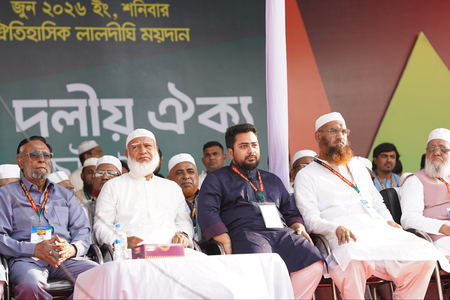
Bangladesh: NCP’s coalition with Jamaat puts party identity under sharp scrutiny

Dhaka, Oct 2 (IANS) The decision of National Citizen Party (NCP) in Bangladesh to join the Jamaat-e-Islami (JI)-led coalition has come at a heavy political cost, given Jamaat’s history of opposing the country’s 1971 Liberation War and collaborating with Pakistani forces, a report has stated,

It highlighted that by the NCP’s first anniversary in February, at least 60 leaders and activists had quit the party, with its electoral alliance with Jamaat emerging as the clearest public manifestation of an internal dispute over the party’s political direction.

Addressing a long march organised by the JI-led 11-party opposition alliance on September 19, NCP convener Nahid Islam launched a sharp attack on Bangladesh Prime Minister Tarique Rahman, saying the premier would eventually have to decide how he wanted to leave office. “He must decide whether he will flee the country by helicopter or resign with dignity.”

Importantly, Nahid was not speaking at an NCP rally but at the long march organised by the Jamaat-led alliance to press for a seven-point set of demands, including implementation of the February referendum verdict, measures to address rising prices, the energy and fertilizer crisis, deteriorating law and order, and corruption, according to a report in ‘The Diplomat’.

“This has become a familiar picture in Bangladesh, where NCP routinely joins JI in long marches, alliance meetings and parliamentary protests. The NCP emerged from the student protests that brought down the Awami League government in August 2024. For a party that entered politics promising a new political alternative, this raises a basic question. What still separates NCP from Jamaat?” the report questioned.

“NCP says the relationship is strategic, not ideological. But less than two years after emerging from the student-led uprising, the party is struggling to show voters what still makes it politically distinct,” it added.

According to the report, the bigger challenge unfolded after the election, as the NCP-JI partnership continued beyond the polls. JI chief Shafiqur Rahman became leader of the opposition, and NCP convener Nahid took over as opposition chief whip. The two parties stayed together in the opposition bloc, maintaining cooperation beyond Parliament.

“This creates challenges for its political identity. NCP says it is a separate party. That is true institutionally. But voters do not judge political identity only through party constitutions or official statements. They also see who shares platforms, who coordinates parliamentary action, and who campaigns together on the streets,” it noted.

–IANS

scor/as

Read More
TOP STORIESWORLD

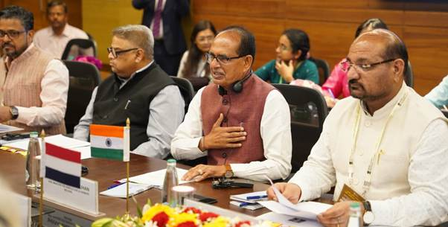
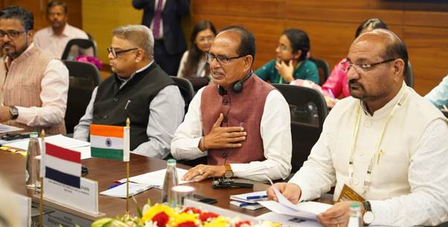
India, Netherlands to expand agricultural cooperation, explore seed sector partnership: Shivraj Singh Chouhan

New Delhi, Oct 2 (IANS) India and the Netherlands have agreed to strengthen their agricultural partnership by expanding cooperation in areas such as agricultural innovation, horticulture and the seed sector, Union Agriculture and Farmers Welfare Minister Shivraj Singh Chouhan said following bilateral discussions with Dutch Agriculture Minister Silvio Erkens, the Ministry of Agriculture & Farmers Welfare said on Friday.

The meeting reviewed ongoing collaboration between the two countries and explored new avenues for cooperation aimed at enhancing farm productivity through technology, innovation and knowledge sharing.

During the discussions, both sides assessed the progress of the 25 Centres of Excellence (CoEs) established in the agriculture and horticulture sectors under the India-Netherlands partnership.

The Centres of Excellence have been playing a key role in promoting modern farming techniques, protected cultivation and advanced horticultural practices across several Indian states.

Chouhan and Erkens also agreed to examine opportunities for cooperation in the seed sector through the formulation of a dedicated work plan.

The proposed framework is expected to identify priority areas and provide a roadmap for effective implementation of joint initiatives.

Agricultural innovation emerged as another major focus area during the talks. Both countries discussed potential areas of collaboration, acknowledging the significant advancements made by India and the Netherlands in agricultural research, technology adoption and innovation-driven farming practices.

The meeting underscored the shared commitment of both nations to promoting sustainable and technology-led agricultural growth while facilitating the exchange of expertise and best practices.

The Dutch delegation was led by Silvio Erkens, Minister for Agriculture, Fisheries, Food Security and Nature, and included Director General Marten van den Berg, Netherlands Ambassador to India Marisa Gerards and other senior officials.

The Indian side was represented by Agriculture Secretary Atish Chandra, DARE Secretary M.L. Jat and senior officials from the Department of Agriculture and Farmers Welfare.

–IANS

pk

Read More
TOP STORIESWORLD

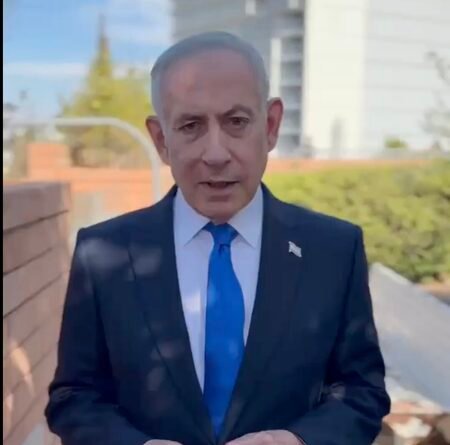
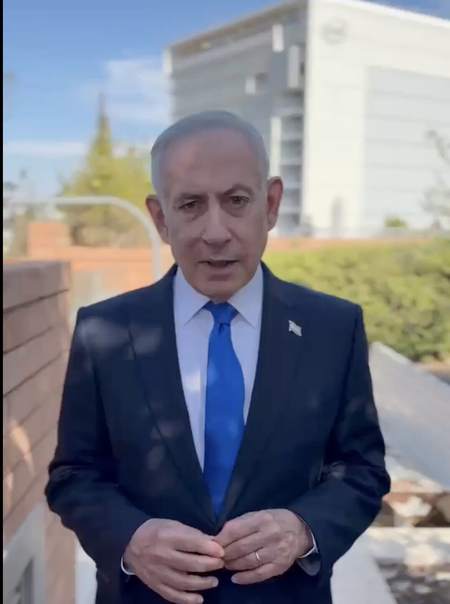
Netanyahu says Flydubai attacker underwent Islamist radicalisation, intended to crash plane

Jerusalem, Oct 2 (IANS) Israel’s Prime Minister Benjamin Netanyahu on Friday said that the attacker in the Flydubai incident underwent Islamist radicalisation and intended to crash the plane with all its passengers on board.

“As time passes, the picture is becoming clearer. Yaniv and his heroic companions prevented a disaster on the scale of 9/11. The attacker underwent Islamist radicalisation. He intended to crash the plane with all its passengers on board,” the Office of the Prime Minister of Israel stated on X, quoting Netanyahu.

“We are now investigating whether he was sent, and whoever sent him will pay a very heavy price,” Netanyahu highlighted in the video message shared by his office.

Earlier, Advisor to the United Arab Emirates (UAE) President Mohammed bin Zayed praised Indian Flydubai pilot Smit Machchhar for his courage and professionalism during what he described as Wednesday’s “dangerous terrorist act”.

“The Indian pilot at ‘Flydubai,’ Smit Machchhar, deserves every bit of appreciation, for he embodied the meaning of courage and responsibility in the face of a dangerous terrorist act and a potential disaster. His professionalism and moral sense in the darkest of circumstances make him a true hero,” Gargash wrote on X.

“Far from the easy reduction of what happened or the adoption and promotion of conspiracy theories, vigilance and caution remain essential in confronting the risks of extremism and terrorism,” he added.

UAE’s Ministry of Foreign Affairs stated on Thursday that a specialised team of public prosecutors have been tasked with investigating the incident and determining its circumstances and causes.

“The Ministry emphasised that the UAE judicial authorities have jurisdiction over the investigation, in accordance with applicable legislation, as the aircraft is registered in the UAE and flies its flag. Consequently, UAE law applies to crimes committed on board, even if they occur outside the country’s territory,” read the statement.

The ministry also indicated that the investigation will examine all aspects of the incident, its motives, and whether there was any connection to terrorist activity or intent, or any prior planning or direction.

“The UAE also expressed its gratitude and appreciation to the Saudi authorities, commending their cooperation and handling of the incident,” said the ministry.

–IANS

ksk/as

Read More